

Personalized Skincare Trends Changing Beauty Industry Standards
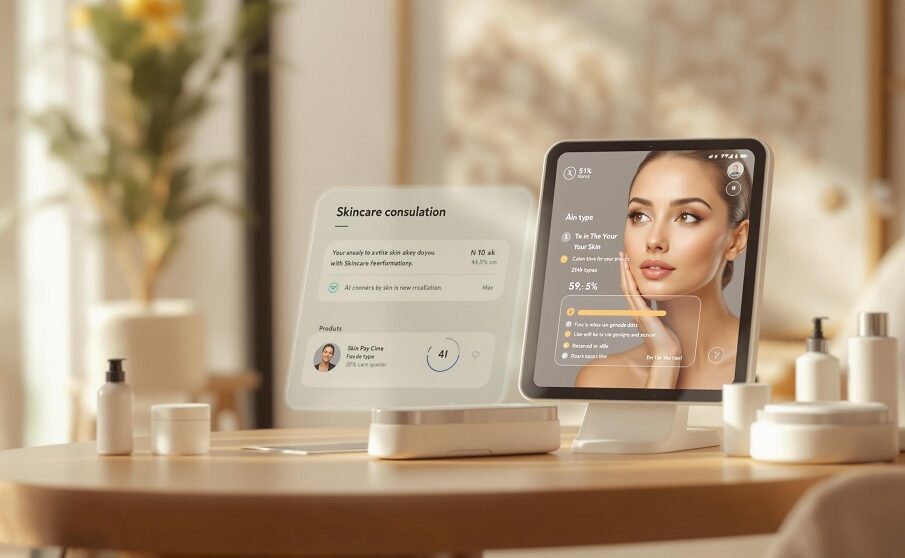
The beauty industry is undergoing a major transformation as personalized skincare becomes one of the most influential developments shaping modern routines. Instead of relying on generalized product categories, consumers are now turning toward solutions tailored to their individual skin concerns, lifestyles, and environmental conditions.
Advancements in artificial intelligence, dermatological research, biotechnology, and consumer awareness are driving this shift. Personalized skincare is no longer a niche service available only through specialty clinics. It is rapidly becoming a mainstream expectation that is redefining how brands design products and how consumers choose them.
This evolution reflects a broader movement toward precision wellness, where skincare is treated as a customized health practice rather than a one size fits all routine.
What Personalized Skincare Means Today
Personalized skincare refers to products and routines designed specifically for an individual’s unique skin profile. These solutions are based on factors such as genetics, environment, age, hydration levels, sensitivity patterns, and lifestyle habits.
Modern personalization methods include:
- Digital skin analysis tools
- AI powered skincare apps
- At home diagnostic devices
- DNA based skincare insights
- Custom blended ingredient formulations
Instead of adapting skin to products, the industry is now adapting products to skin.
This shift marks a significant change in how consumers interact with beauty brands.
Why Consumers Are Demanding Customized Skincare Solutions
Consumers today are more informed than ever before. Access to dermatology resources, ingredient education, and digital consultations has increased expectations for targeted results.
Several factors are driving interest in personalization:
- Growing awareness of ingredient effectiveness
- Desire for faster visible improvements
- Increased sensitivity to environmental stressors
- Expansion of remote dermatology services
- Demand for simplified routines with fewer products
Rather than experimenting with multiple generic options, consumers prefer skincare that responds directly to their specific needs.
This preference is shaping purchasing behavior across the entire beauty market.
The Role of Artificial Intelligence in Personalized Skincare
Artificial intelligence is one of the most important technologies supporting personalized skincare. It enables detailed analysis of skin conditions using smartphone cameras, diagnostic sensors, and data driven modeling.
AI powered skincare systems can evaluate:
- Wrinkle depth patterns
- Hydration levels
- Pigmentation variations
- Pore size distribution
- Redness intensity
- Breakout frequency
These insights help recommend ingredients and routines tailored to each individual user.
Brands increasingly rely on machine learning to refine product suggestions over time as users continue tracking their progress.
DNA Based Skincare Creating New Precision Standards
DNA based skincare is introducing a deeper level of personalization by analyzing genetic markers linked to skin behavior. These markers influence how skin responds to aging, inflammation, collagen breakdown, and environmental exposure.
Genetic skincare insights may support recommendations related to:
- Antioxidant needs
- Collagen support strategies
- Sensitivity management
- Sun protection priorities
- Moisture retention potential
Although still developing, this approach represents one of the most advanced directions in skincare customization.
It signals a future where skincare routines are built around biological individuality rather than general skin type categories.
Custom Blended Skincare Products Reshaping Retail Models
Custom formulation services are transforming how skincare products are created and delivered. Some brands now offer in store blending stations or online formulation platforms that produce personalized creams and serums after analyzing customer data.
These formulations often consider:
- Seasonal climate conditions
- Hormonal fluctuations
- Daily stress exposure
- Sleep quality patterns
- Travel frequency
Instead of purchasing multiple trial products, consumers receive solutions aligned with their real life routines.
This reduces unnecessary product experimentation and increases satisfaction with results.
Skin Microbiome Research Influencing Personalized Formulas
The skin microbiome plays an essential role in maintaining hydration balance, barrier strength, and inflammation control. Researchers are increasingly studying how bacteria living on the skin affect overall skin health.
Personalized microbiome based skincare may include:
- Probiotic formulations
- Prebiotic ingredient blends
- Barrier restoring compounds
- Customized cleansing routines
Understanding microbiome diversity allows brands to create formulations that support skin resilience rather than disrupt it.
This represents a major advancement compared with earlier approaches that focused only on surface level symptoms.
Environmental Data Integration Supporting Smarter Skincare Choices
Environmental exposure significantly influences skin behavior. Pollution levels, humidity changes, temperature variation, and ultraviolet radiation all affect skin condition.
Personalized skincare systems now integrate environmental tracking to adjust product recommendations accordingly.
Examples include:
- Increasing hydration support during dry seasons
- Strengthening antioxidant protection in polluted environments
- Adjusting exfoliation frequency based on climate changes
- Enhancing sun protection during high UV exposure periods
This adaptive approach helps maintain consistent skin balance throughout changing conditions.
Subscription Based Personalization Transforming Consumer Experience
Subscription skincare services are reshaping how consumers maintain routines. These platforms combine diagnostics, tracking tools, and periodic formula adjustments to support continuous improvement.
Benefits of subscription personalization include:
- Regular routine updates based on progress tracking
- Ingredient adjustments over time
- Simplified product replenishment
- Ongoing skin monitoring support
This model reflects the growing preference for long term skincare partnerships rather than one time purchases.
Inclusive Beauty Standards Expanding Through Personalization
Personalized skincare supports inclusivity by recognizing that skin concerns differ widely across individuals and communities. Instead of relying on narrow product categories, brands can address broader ranges of tone variation, sensitivity patterns, and aging timelines.
This shift encourages:
- Better representation across skin tones
- Improved solutions for sensitive skin conditions
- Targeted care for diverse climate environments
- Flexible routines for different age groups
Personalization helps ensure that skincare solutions respond to real diversity rather than assumptions.
Sustainability Benefits Emerging From Customized Skincare
Personalized skincare also supports environmental responsibility by reducing unnecessary consumption. When consumers use products tailored to their needs, they are less likely to discard ineffective items.
Sustainability advantages include:
- Lower product waste
- Reduced packaging demand
- Smaller inventory excess
- Longer product usage cycles
Brands adopting customization models often prioritize refillable packaging and modular formulations as part of this strategy.
This connection between personalization and sustainability is influencing long term industry planning.
Dermatology Collaboration Strengthening Personalized Solutions
Professional dermatology partnerships are improving the accuracy and credibility of personalized skincare services. Many brands now integrate expert consultation tools into their platforms to ensure recommendations reflect clinical understanding.
Collaborative personalization supports:
- Treatment compatible routines
- Sensitive skin safety considerations
- Acne management planning
- Hyperpigmentation correction strategies
Combining technology with professional expertise creates stronger results than either approach alone.
Data Privacy Becoming A Critical Industry Responsibility
As personalization depends on data collection, privacy protection has become an essential consideration for consumers and companies alike.
Responsible skincare platforms prioritize:
- Transparent data usage policies
- Secure storage systems
- User controlled permission settings
- Ethical data handling standards
Trust plays a central role in encouraging adoption of personalized skincare technologies.
Brands that communicate clearly about privacy practices are more likely to maintain long term customer relationships.
The Future Direction Of Personalized Skincare Innovation
Personalized skincare continues to evolve through advances in biotechnology, wearable diagnostics, and predictive analytics. Future systems may anticipate skin concerns before they become visible and adjust routines automatically.
Emerging innovations may include:
- Real time hydration monitoring patches
- Adaptive ingredient release technology
- Predictive aging pattern modeling
- Smart mirrors offering routine adjustments
- Climate responsive skincare formulas
These developments suggest that skincare routines will become increasingly dynamic and responsive in the years ahead.
Personalization is not simply a trend. It represents a structural transformation shaping how beauty products are developed, recommended, and experienced.
FAQs
1. How accurate are digital skin analysis tools compared with professional evaluations
Digital tools provide useful preliminary insights but are most effective when combined with professional dermatology guidance for complex skin concerns.
2. Can personalized skincare reduce the number of products needed in a routine
Yes. Tailored routines often focus on fewer targeted products designed to address specific concerns efficiently.
3. Are personalized skincare services suitable for sensitive skin conditions
Many personalization platforms specifically evaluate sensitivity markers and adjust ingredient selections accordingly.
4. Do personalized skincare products cost more than traditional options
Some customized products have higher initial costs, but they often reduce long term spending by minimizing ineffective purchases.
5. How often should personalized skincare routines be updated
Routine updates depend on seasonal changes, lifestyle shifts, and skin condition progress, but many systems recommend adjustments every few months.
6. Is personalized skincare available through online platforms only
No. Many dermatology clinics and retail stores now offer in person personalization services alongside digital options.
7. Can personalized skincare support long term skin health goals
Yes. Consistent monitoring and targeted ingredient selection help support preventive care as well as visible improvement over time.