
Why Shopping At A Boutique Feels More Meaningful Today
Shopping habits have changed dramatically over the past decade. While large online marketplaces and fast fashion retailers dominate convenience and scale, many consumers are rediscovering the value of boutique shopping. Visiting a boutique today often feels more personal, intentional, and memorable than traditional retail experiences.
Boutiques offer something that mass retail cannot easily replicate. They create spaces where style, identity, craftsmanship, and community come together. As shoppers increasingly seek authenticity and meaningful purchases, boutique environments provide a refreshing alternative to impersonal transactions.
Understanding why boutique shopping resonates more strongly today helps explain broader shifts happening across the fashion and lifestyle industries.
The Rise Of Intentional Shopping Behavior
Modern consumers are becoming more selective about how and where they shop. Rather than purchasing large quantities of items quickly, many people now prefer thoughtful choices that reflect their values and lifestyle.
Boutiques support intentional shopping in several ways:
- Offering carefully curated selections instead of overwhelming inventories
- Encouraging slower decision making
- Supporting higher quality craftsmanship
- Promoting unique personal style rather than trend imitation
This shift toward mindful purchasing makes boutique visits feel purposeful rather than routine.
As shoppers become more aware of the impact of their spending choices, boutique environments naturally align with these priorities.
Personalized Customer Experiences Make A Lasting Difference
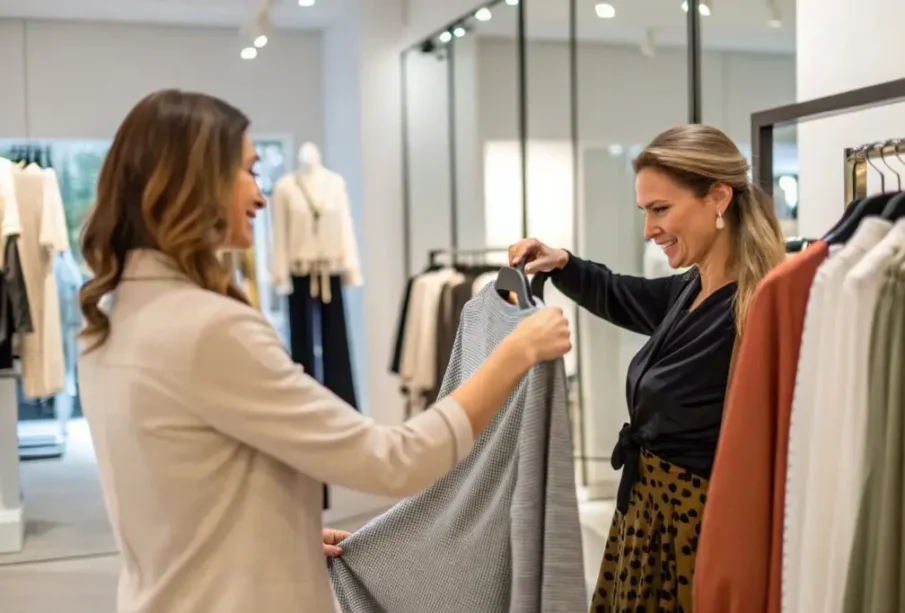
One of the strongest reasons boutique shopping feels meaningful today is the level of personal interaction involved. Unlike large chain stores where assistance may feel transactional, boutique staff often develop genuine relationships with customers.
Personalized experiences commonly include:
- Styling recommendations tailored to individual preferences
- Honest feedback about fit and comfort
- Suggestions based on previous purchases
- Flexible product sourcing when specific items are requested
These interactions help customers feel seen and understood rather than processed through a system.
Over time, this relationship based approach builds trust and encourages confidence in purchasing decisions.
Unique Product Selections Encourage Individual Expression
Mass retail often focuses on scale and repetition. Boutiques operate differently by offering smaller collections that highlight originality and character.
Benefits of boutique product selection include:
- Limited availability items
- Local designer collaborations
- Handmade accessories
- Seasonal curated pieces
- Exclusive capsule collections
Because these products are less widely distributed, customers can build wardrobes that reflect individuality rather than uniform trends.
This sense of originality contributes significantly to the emotional satisfaction of boutique shopping.
Supporting Local Businesses Strengthens Community Connections
Shopping at a boutique often supports locally owned businesses rather than large corporations. This connection creates a sense of shared investment between shoppers and their communities.
Local boutique support contributes to:
- Neighborhood economic stability
- Preservation of independent retail culture
- Opportunities for emerging designers
- Stronger community identity
Many customers today value knowing where their purchases come from and who benefits from them.
This awareness adds depth to the shopping experience beyond the product itself.
Higher Attention To Craftsmanship And Quality
Boutiques frequently emphasize craftsmanship rather than rapid production cycles. This focus allows shoppers to invest in pieces designed for durability and long term use.
Quality advantages often include:
- Thoughtful material selection
- Smaller production runs
- Careful construction techniques
- Artisan level finishing details
Customers increasingly recognize that fewer high quality purchases often provide greater long term satisfaction than frequent replacements of lower quality items.
Boutique environments naturally support this perspective.
Boutique Atmospheres Encourage Relaxed Exploration
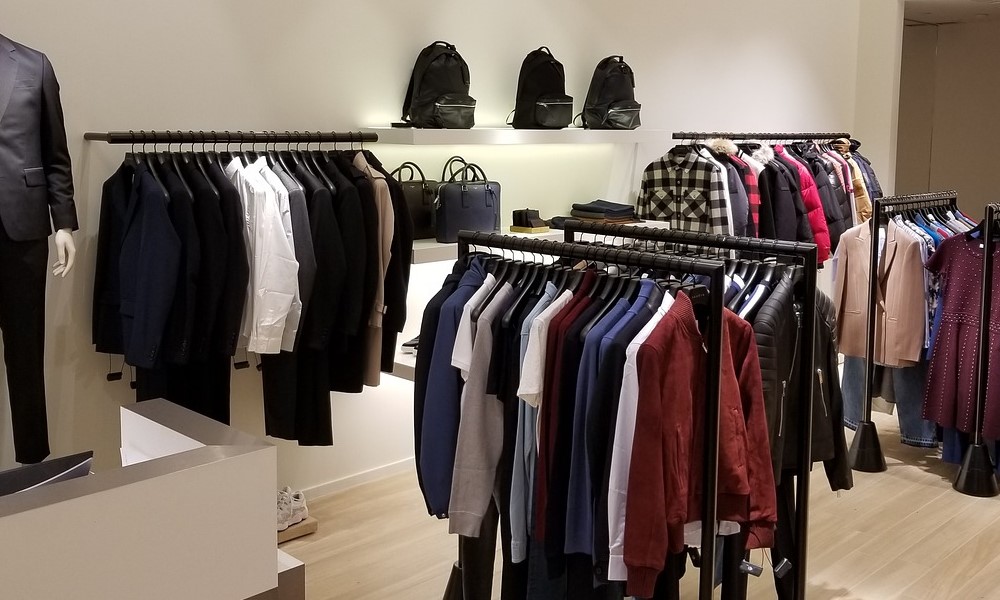
The physical environment of boutiques contributes significantly to their appeal. Smaller layouts, thoughtful displays, and carefully arranged interiors create spaces that feel welcoming rather than overwhelming.
Boutique atmospheres often provide:
- Calm browsing experiences
- Creative product presentation
- Comfortable fitting areas
- Conversation friendly layouts
These elements help transform shopping from a task into an experience.
Customers are more likely to explore thoughtfully when they feel relaxed within a space.
Ethical And Sustainable Shopping Priorities Are Better Supported
Consumers increasingly consider environmental and ethical factors when choosing where to shop. Boutiques frequently align with these concerns through responsible sourcing and smaller production models.
Common sustainability advantages include:
- Partnerships with independent designers
- Reduced overproduction
- Limited inventory waste
- Support for handcrafted goods
- Emphasis on durable materials
Because boutique businesses often operate closer to their supply chains, they can maintain transparency that appeals to modern shoppers.
This transparency strengthens trust and long term loyalty.
Direct Access To Emerging Designers And Creative Talent
Boutiques often serve as early platforms for new designers who bring fresh ideas into the fashion landscape. Customers benefit from exposure to creative perspectives not typically available through large retailers.
Shopping at boutiques can introduce customers to:
- Regional design communities
- Independent fashion labels
- Experimental accessory makers
- Small batch jewelry creators
Supporting emerging talent helps sustain innovation across the fashion industry while giving shoppers access to distinctive products.
This connection between creativity and commerce enhances the emotional value of purchases.
Slower Retail Experiences Encourage More Confident Decisions
Fast paced shopping environments sometimes lead to impulsive purchases that later feel unnecessary. Boutique settings encourage a more thoughtful pace that supports better decision making.
Advantages of slower retail experiences include:
- Improved fit evaluation
- Better understanding of materials
- Opportunity for styling advice
- Greater confidence before purchasing
Customers often leave boutiques feeling satisfied rather than uncertain about their choices.
This sense of clarity contributes to the lasting appeal of boutique shopping.
Storytelling Adds Meaning To Every Purchase
Boutiques frequently highlight the stories behind their products. These narratives help customers understand how items were designed, sourced, and produced.
Story driven shopping experiences may include:
- Information about artisan techniques
- Details about material origins
- Designer inspirations
- Cultural influences shaping collections
Learning about these elements transforms purchases into meaningful connections rather than simple transactions.
Customers often value items more when they understand their background.
Boutique Shopping Supports Personal Style Development
Instead of promoting uniform trends, boutiques encourage customers to experiment and refine their own aesthetic direction. Staff guidance and curated selections make it easier to explore styles confidently.
Benefits for personal style growth include:
- Exposure to unique silhouettes
- Encouragement to try new combinations
- Access to limited edition pieces
- Supportive styling conversations
Over time, boutique shopping helps individuals build wardrobes that reflect identity rather than imitation.
This long term benefit is one reason many shoppers return to boutiques regularly.
Technology Integration Enhancing Boutique Experiences
Modern boutiques increasingly combine traditional retail warmth with digital convenience. This blend allows customers to enjoy both personalized service and efficient shopping tools.
Technology enhancements often include:
- Digital appointment scheduling
- Online previews of new arrivals
- Virtual styling consultations
- Customer preference tracking systems
Rather than replacing human interaction, these tools support stronger relationships between boutiques and their customers.
The result is a hybrid shopping experience that feels both modern and personal.
The Emotional Value Of Boutique Shopping In A Fast Moving Retail World
As retail environments become increasingly automated, many shoppers appreciate experiences that feel genuine and human centered. Boutique shopping offers this connection through conversation, storytelling, craftsmanship, and community involvement.
Customers are not simply purchasing products. They are participating in a process that values creativity, individuality, and thoughtful decision making.
This emotional dimension explains why boutique shopping continues to feel meaningful even as digital retail expands rapidly.
FAQs
1. Are boutique prices always higher than large retail stores
Boutique pricing varies widely. While some items reflect handcrafted quality, many boutiques offer competitive pricing comparable to mid range brands.
2. Can boutiques carry everyday wardrobe essentials
Yes. Many boutiques balance statement pieces with versatile basics designed for regular use.
3. Do boutiques usually restock the same items frequently
Boutiques often work with limited production runs, so restocking identical items may be less common than in large retail chains.
4. Is boutique shopping suitable for all age groups
Boutiques often curate collections for diverse audiences and may specialize in different lifestyle needs depending on their focus.
5. How can shoppers discover reliable boutiques in their area
Local business directories, neighborhood recommendations, and social media platforms often highlight independent boutique retailers nearby.
6. Do boutiques offer return or exchange policies similar to larger stores
Many boutiques provide flexible policies, though terms may differ depending on inventory scale and product type.
7. Can boutique shopping help support regional fashion identity
Yes. Boutiques frequently highlight local designers and regional aesthetics, helping preserve distinctive fashion cultures within communities.