
The Psychology Behind Color Theory in High Impact Fashion Styling
Color influences how clothing is perceived long before details like fabric or silhouette are noticed. In high impact fashion styling, color functions as a powerful visual language that shapes impressions, communicates personality, and directs attention. Designers and stylists rely on color theory not only to create attractive outfits but also to guide emotional responses and strengthen visual storytelling.
Understanding the psychology behind color helps individuals make more intentional wardrobe choices. When used effectively, color becomes one of the most reliable tools for expressing confidence, creativity, authority, or calm presence through fashion.
This article explores how color theory influences styling decisions and how psychological responses to color help shape high impact fashion outcomes.
Understanding Color Theory In Fashion Styling
Color theory refers to the structured principles used to combine colors effectively. In fashion, these principles help stylists create harmony, contrast, and visual balance within outfits.
Core color theory elements include:
- Primary colors such as red, blue, and yellow
- Secondary colors formed by mixing primary shades
- Tertiary colors created through layered combinations
- Neutral tones that support contrast and flexibility
By understanding how these categories interact, stylists can control the visual strength and emotional tone of clothing combinations.
Color theory allows fashion choices to move beyond guesswork and into intentional design.
The Psychological Impact Of Color On First Impressions
Color plays a central role in shaping first impressions. Research in visual perception consistently shows that people form opinions quickly based on color signals alone.
Common psychological associations include:
Red
- Signals energy and confidence
- Attracts attention quickly
- Suggests leadership presence
Blue
- Communicates trust and stability
- Supports professional styling
- Creates calm visual structure
Yellow
- Reflects optimism and creativity
- Enhances visual warmth
- Encourages expressive styling
Black
- Suggests sophistication and authority
- Provides timeless versatility
- Strengthens visual contrast
Understanding these associations allows individuals to choose outfits aligned with their intended message.
Color Contrast As A Tool For Visual Emphasis
Contrast helps certain elements stand out within an outfit. High contrast styling increases visibility and draws attention to key features.
Examples of contrast techniques include:
- Pairing dark and light tones
- Combining complementary colors
- Using bright accessories against neutral clothing
- Layering structured silhouettes with soft shades
Contrast creates energy within styling while maintaining clarity in overall presentation.
When used carefully, it strengthens both individuality and memorability.
Monochrome Styling And Psychological Consistency
Monochrome styling involves wearing variations of a single color throughout an outfit. This technique creates visual cohesion and communicates intentional simplicity.
Psychological benefits of monochrome styling include:
- Strengthened presence through clarity
- Reduced visual distraction
- Increased perception of confidence
- Enhanced silhouette definition
Neutral monochrome palettes often communicate refinement, while bold monochrome palettes suggest creative confidence.
This approach is widely used in professional styling because of its reliability and adaptability.
Complementary Color Pairing For Dynamic Styling Impact
Complementary colors sit opposite each other on the color wheel. When paired together, they create strong visual energy that enhances outfit impact.
Common complementary combinations include:
- Blue and orange
- Red and green
- Yellow and purple
These combinations increase visual excitement without overwhelming the overall look when balanced carefully.
Complementary styling works especially well for statement outfits or creative environments where individuality is encouraged.
Neutral Colors As Foundations For High Impact Styling
Neutral colors play a crucial role in supporting high impact fashion styling. Rather than competing for attention, neutrals provide structure that allows statement elements to stand out.
Key neutral tones include:
- Black
- White
- Gray
- Beige
- Navy
These shades create flexibility across wardrobe combinations and help maintain balance within bold styling choices.
Neutral foundations make it easier to experiment with stronger accent colors confidently.
Warm Colors And Their Influence On Emotional Expression
Warm colors such as red, orange, and yellow naturally attract attention. They often create impressions of movement, enthusiasm, and openness.
Warm tones are commonly used to:
- Increase outfit visibility
- Communicate approachability
- Strengthen social presence
- Highlight key garment features
Because warm colors appear visually closer to the viewer, they naturally become focal points within styling.
Strategic use of warm tones helps create energetic and engaging outfit combinations.
Cool Colors Supporting Calm And Structured Styling
Cool colors such as blue, green, and teal produce calming visual effects that support structured styling environments.
Benefits of cool tone styling include:
- Encouraging visual stability
- Supporting professional impressions
- Creating relaxed elegance
- Reducing visual intensity
Cool tones are particularly effective in work settings where clarity and composure are important.
They also transition easily across seasonal wardrobes.
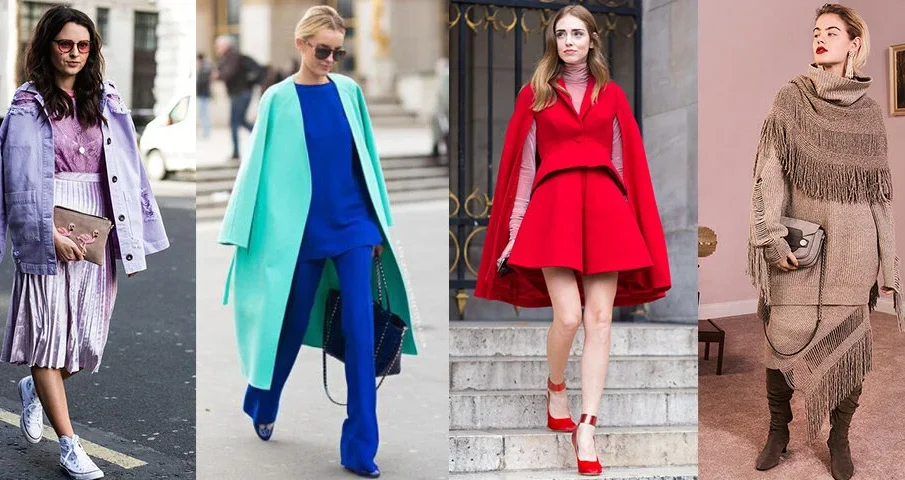
Color Blocking Techniques For Strong Visual Statements
Color blocking involves combining solid sections of contrasting colors within one outfit. This technique creates strong geometric visual impact and encourages bold expression.
Color blocking advantages include:
- Highlighting garment structure
- Enhancing silhouette visibility
- Encouraging creative experimentation
- Supporting contemporary styling aesthetics
When balanced correctly, color blocking produces confident and memorable outfits suitable for both casual and professional environments.
Cultural Interpretations Of Color In Fashion Styling
Color meaning varies across cultures, influencing how clothing is perceived globally. Understanding these interpretations helps stylists create context aware outfit combinations.
Examples of cultural color associations include:
- White representing celebration in some cultures and simplicity in others
- Red symbolizing prosperity in certain regions
- Black reflecting authority or formality depending on context
Recognizing cultural context strengthens the effectiveness of color based styling choices.
This awareness becomes especially valuable in global fashion environments.
Seasonal Color Psychology In Wardrobe Planning
Seasonal color shifts influence how outfits are perceived throughout the year. Adjusting palettes based on environmental conditions improves styling relevance and comfort.
Typical seasonal color tendencies include:
Spring
- Soft pastels
- Light neutrals
- Fresh greens
Summer
- Bright tones
- Crisp whites
- Clear blues
Autumn
- Earth inspired colors
- Deep oranges
- Warm browns
Winter
- Dark neutrals
- Jewel tones
- High contrast palettes
Aligning wardrobe colors with seasonal transitions enhances both comfort and visual harmony.
Personal Color Analysis Supporting Individual Styling Confidence
Personal color analysis identifies shades that complement natural features such as skin tone, hair color, and eye color. This process helps individuals select clothing colors that strengthen their appearance naturally.
Benefits of personal color analysis include:
- Improved outfit coordination
- Enhanced facial brightness perception
- Simplified shopping decisions
- Increased wardrobe versatility
When clothing colors align with natural features, styling feels effortless and balanced.
This approach supports long term wardrobe consistency.
Accessories As Color Anchors In High Impact Styling
Accessories play an important role in reinforcing color strategies. Even small details can shape the overall tone of an outfit.
Examples of accessory color influence include:
- Shoes reinforcing base outfit tones
- Bags introducing contrast accents
- Jewelry supporting warm or cool palettes
- Scarves adding seasonal color variation
Strategic accessory selection ensures color harmony across the entire outfit.
These details help transform simple combinations into intentional styling statements.
Building Confidence Through Color Conscious Fashion Choices
Color awareness helps individuals make styling decisions that reflect intention rather than habit. When people understand how colors influence perception, they gain greater control over their visual presence.
Confidence benefits of color conscious styling include:
- Clearer personal identity expression
- Improved outfit coordination skills
- Stronger professional presentation
- Increased comfort experimenting with new combinations
Color theory transforms fashion from routine dressing into a meaningful form of communication.
FAQs
1. How can beginners start applying color theory in everyday outfits
Beginners can start by combining one neutral base color with one accent color and gradually experimenting with additional combinations over time.
2. Are certain colors universally flattering across different skin tones
Some shades such as navy, soft white, and muted jewel tones tend to complement a wide range of skin tones effectively.
3. Can color choices influence confidence levels during important events
Yes. Wearing colors associated with strength or calmness can positively influence how individuals feel and present themselves.
4. Is color blocking appropriate for professional environments
Color blocking can work professionally when combinations remain balanced and structured rather than overly dramatic.
5. How often should wardrobe color palettes be updated
Updating palettes seasonally or during lifestyle transitions helps maintain styling relevance without requiring major wardrobe changes.
6. Do accessories need to match outfit colors exactly
Exact matching is not necessary. Coordinated tones usually create more natural and flexible styling results.
7. Can color theory help reduce unnecessary clothing purchases
Yes. Understanding color compatibility improves coordination across existing wardrobe pieces, reducing the need for frequent replacements.